Schedule & rates Types of yoga Breathe FAQ About me Miscellany Recommended books Playlist Films that breathe like yoga Savasana Meditation Strength, strength, strength The Anti-Screens Front Archive: January 2014 In depth Is there an authentic yoga? An illustrated history of āsana Sivananda's 12 postures Postural over-correction Yoga: neoliberal anaesthesia? Conspirituality Stoicism Growing older without rust Book a class

Miscellany

Recommended books

A personal selection on yoga anatomy, theory and practice.

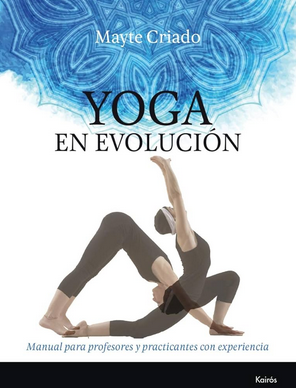
Cover of Yoga en evolución, by Mayte Criado

Yoga en evolución (Yoga in Evolution)

Mayte Criado — Kairós, 2017 · Spanish only

This manual was published just a few years ago, and it shows. Its author (Mayte Criado, director and founder of the Escuela Internacional de Yoga) writes with real sensitivity and good sense on every page. I was struck by how precisely and patiently she questions, unpicks and dissects many of yoga's common myths. Absolutely worth reading.

Only in the last ten years has so-called "physical" yoga spread at an unprecedented, headlong pace. [...] And yet this same global atmosphere of excess is also giving rise to a reductionist yoga that, to defend its claim to antiquity and legitimacy, tends to encourage hierarchical structures that belong to another era.
View at Editorial Kairós →
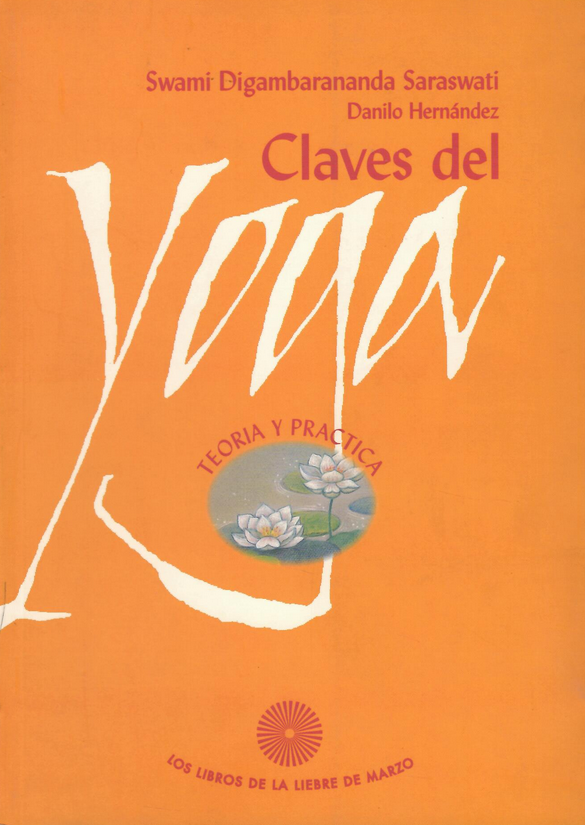
Cover of Claves del yoga, by Danilo Hernández

Claves del yoga: Teoría y práctica (Keys to Yoga: Theory and Practice)

Danilo Hernández — La liebre de marzo, 1997 · Spanish only

A classic among Spanish-language yoga manuals. Very thorough, it covers the different paths of yoga, meditation, āsanas (with technical descriptions, benefits and illustrations), prāṇāyāma, and more. It was the first yoga manual I ever read, and it left a deep mark on me. It could probably use an update (the author himself has said as much), but I still think it's well worth reading.

The main purpose of yoga practice is to uproot and dissolve the negative tendencies of the ego — the part of the personality that makes a person feel disconnected and separate from their surroundings.
View at Todostuslibros →
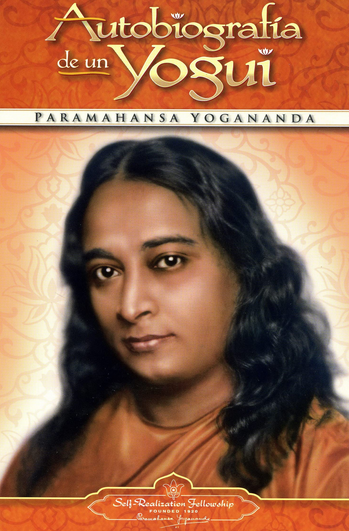
Cover of Autobiografía de un yogui, by Paramahansa Yogananda

Autobiography of a Yogi

Paramahansa Yogananda — Self-Realization Fellowship, 1946

Named one of the 100 best spiritual books of the 20th century. That said, I wouldn't recommend it to someone just starting out in this discipline — the sheer volume of supernatural and magical experiences the author describes throughout can feel overwhelming. The book will call to you when the time is right (if it ever is).

The great secret balm lies in the inner kingdom, replete with the happiness that man vainly seeks in a thousand outward directions. Mastery of breath means mastery of death.
View at Self-Realization Fellowship →
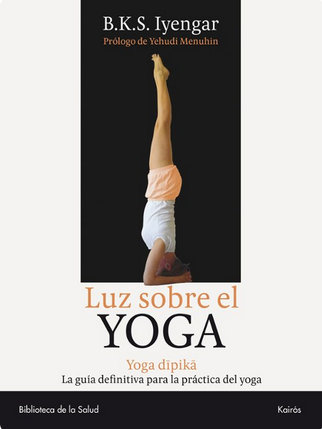
Cover of Luz sobre el yoga, by B.K.S. Iyengar

Light on Yoga

B.K.S. Iyengar — first published 1966

A practical guide with over 600 photographs illustrating yoga postures and breathing techniques. It's an exceptionally thorough description of the technique and effects of the āsanas, and it also includes an interesting introduction to the origins and paths of yoga.

Love begets courage, moderation creates abundance and humility generates power. Courage without love is brutality. Abundance without moderation leads to indulgence and decay.
View at Todostuslibros (Spanish edition) →
Cover of Anatomía para el movimiento, by Blandine Calais-Germain

Anatomy of Movement

Blandine Calais-Germain — first published 1985

Three hundred wonderful pages explaining in detail how the joints and muscles of the human body work in relation to movement, with 1,500 annotated illustrations. It's the kind of book you keep coming back to.

View at Todostuslibros (Spanish edition) →
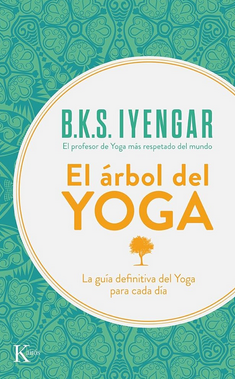
Cover of El árbol del yoga, by B.K.S. Iyengar

The Tree of Yoga

B.K.S. Iyengar — first published 1988

Another yoga classic. It's certainly worth reading, but bear in mind it shows its age in places — its views on family life, sexuality or marriage feel quite dated now. It also offers some medical advice that is, to put it mildly, questionable.

We must become totally and absolutely absorbed, with devotion, dedication and attention, while performing the posture. There must be honesty in the approach and honesty in the presentation.
View at Todostuslibros (Spanish edition) →
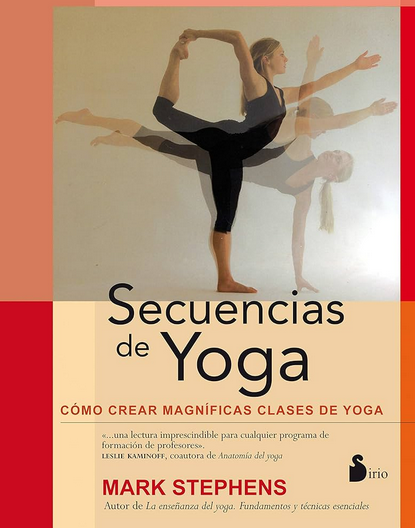
Cover of Secuencias de yoga, by Mark Stephens

Yoga Sequencing

Mark Stephens — first published 2012

A book aimed mainly at yoga teachers, with seventy-seven sample āsana sequences (for beginners, intermediate and advanced practitioners, children, pregnant people, and older adults). A solid resource that can serve as inspiration when planning classes.

View at Todostuslibros (Spanish edition) →
Cover of Yogasutra, by Patañjali, Spanish translation by Òscar Pujol

The Yoga Sūtras

Patañjali — this edition: Kairós, 2016 · Spanish translation, introduction and commentary by Òscar Pujol

Patañjali's 196 aphorisms (sūtras), written roughly between the 2nd and 5th centuries CE, are the foundational text of yoga. These aphorisms are astonishingly terse and have been the subject of countless debates, translations and interpretations. In this recent edition, Òscar Pujol (who holds a doctorate in Sanskrit from Benares Hindu University) tries to shed light on their meaning and historical context.

1.2 Yogas citta vṛtti nirodhaḥ — Yoga is the cessation of the fluctuations of the mind. 2.46 Sthira sukham āsanam — The posture should be steady and comfortable. 2.16 Heyam duḥkham anāgatam — What is to be avoided is suffering yet to come.
View at Todostuslibros (Spanish edition) →
Cover of Yoga, by Emmanuel Carrère

Yoga

Emmanuel Carrère — Farrar, Straus and Giroux, 2022 (English translation by John Lambert)

The back cover makes clear that "this is not a practical yoga manual, nor a well-meaning self-help book." It's a first-person, unflinching account of the deep, suicidal depression that led the author to be hospitalised, diagnosed with bipolar disorder, and treated for four months. It was one of my favourite reads of 2021, and I'll say it plainly: I'm a devoted fan of the author and his style. I lost count of the sentences I underlined.

We go on not dying while we can. We go on not dying, but the heart's no longer in it. [...] And then, one day, something happens.
View at Todostuslibros (Spanish edition) →
Cover of El lenguaje del yoga, by Nicolai Bachman

The Language of Yoga

Nicolai Bachman — first published 2005

A reference guide to the Sanskrit terms used in any yoga class: posture names, philosophical concepts, chants. Not meant for reciting on autopilot, but for actually knowing what's being said — so you can decide, with real understanding, whether you want to say it. Useful precisely because it demystifies the vocabulary instead of wrapping it in more mystery.

View at Todostuslibros (Spanish edition) →
Cover of Los valores terapéuticos del yoga, by José Manuel Vázquez Díez

Los valores terapéuticos del yoga (The Therapeutic Value of Yoga)

José Manuel Vázquez Díez — Alianza Editorial · Spanish only

An accessible yet rigorous look at the function, origins and mechanisms of pain, and at how yoga practice can (or can't) help relieve it. No miracle promises here: it tackles the uncomfortable questions head-on — is yoga right for everyone? can practising it actually cause harm? — before attempting to answer them.

View at Todostuslibros →
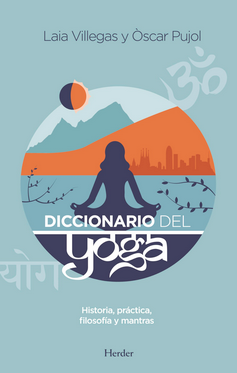
Cover of Diccionario del yoga, by Laia Villegas and Òscar Pujol

Diccionario del yoga (Dictionary of Yoga)

Laia Villegas and Òscar Pujol — Herder, 2017 · Spanish only

A rigorous, thoroughly un-esoteric reference dictionary of the Sanskrit terms you'll hear in any yoga class: posture names, philosophical concepts, a plain-language translation of the Yoga Sūtras, and a short history that gives context to everything else. Written by two people with real academic training in Sanskrit, not by a self-proclaimed "master."

View at Todostuslibros →
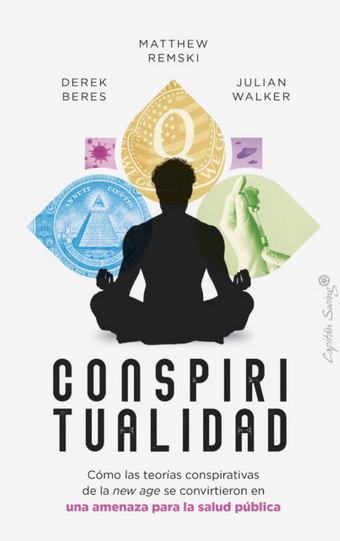
Cover of Conspirituality, by Derek Beres, Matthew Remski and Julian Walker

Conspirituality

Derek Beres, Matthew Remski and Julian Walker — Public Affairs, 2023

A book that documents, with names and concrete cases, how a corner of the yoga and wellness world has turned into a conduit for conspiracy theories, health misinformation and far-right politics dressed up as "spiritual awakening." It's pretty much the opposite of what we stand for here — which is exactly why I think it's worth reading.

View the Spanish edition at Capitán Swing →